
Speed to market is where many oral pouch projects lose months. Buyers tell us about sampling cycles that drag on for weeks with no status updates. Our standard sampling lead time is 5 working days after the formula and artwork are confirmed. Here is exactly what happens on each day, and what you can do to keep your project on schedule.
Day 1 — Brief review and formulation lock
Your account manager and a formulation scientist review the target market, active ingredients, caffeine level, flavor direction and pack format. We match the request against one of our 1,000+ mature formulas and confirm the bill of materials. Same-day replies are standard on business days.
Day 2 — Raw-material picking and weighing
Materials are picked from released stock only — every inbound ingredient has passed quarantine and QC release. The pilot batch is weighed in the compounding zone with the same SOPs used for mass production, so the sample represents the real product, not a lab curiosity.
Day 3 — Pilot filling and sealing
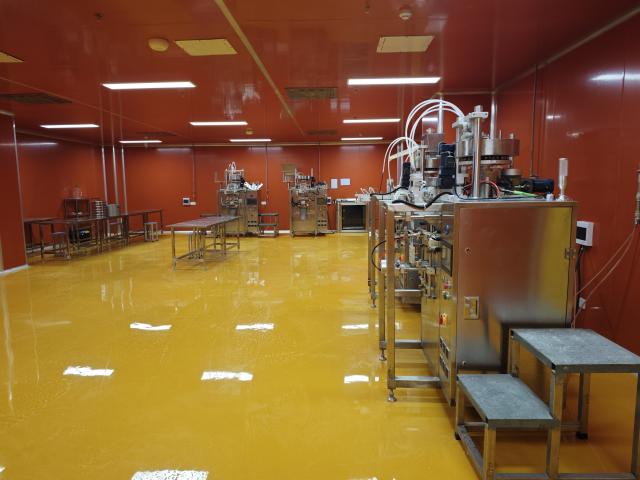
The pilot run goes through an automatic pouch filling and sealing line: precision dosing, continuous sealing and in-line leak detection. Filling weight, seal integrity and pouch appearance are checked against mass-production tolerances.
Day 4 — Finishing, coding and preliminary COA
Sample cans and labels are produced with your artwork, lot-coded, and a preliminary certificate of analysis is prepared covering appearance, fill weight and the scheduled test panel. This is the same documentation structure shipped with commercial batches.
Day 5 — Packing and dispatch
Sealed sample cans are packed and dispatched by your preferred courier. You receive photos, the preliminary COA and tracking information. After sample approval, mass production typically takes 3–5 weeks depending on order volume and packaging complexity.
How to get samples even faster
Stock samples ship the same day, so if you are at the market-research stage, ask for the stock sample kit first. For custom samples, confirm actives, caffeine level, flavor direction and artwork in a single brief — missing information is the single most common cause of delay.