
Step 1: Position and classify before anything else
The first decision is not flavor; it is product classification in each target market. Nicotine-free functional pouches are generally positioned as food or dietary supplements, but exact classification, permitted ingredients and claim rules differ between the United States, the EU, the Middle East and Asia Pacific. Lock the legal category, the label regime and the import documentation before formulation is frozen, because reclassification after artwork approval is the most expensive error in this category.
Step 2: Choose a platform and formulation
Pick one of the four functional platforms rather than briefing a generic "energy pouch." Energy platforms provide 80 to 150 mg caffeine per pouch with L-theanine for a 60 to 90 minute profile. Focus platforms combine L-theanine, L-tyrosine and Alpha-GPC, with caffeine optional. Nootropic platforms run caffeine-free on Bacopa, lion's mane, ginseng and rhodiola with B vitamins. Sports platforms deliver sodium, potassium and magnesium with taurine and beta-alanine, sugar-free. A mature manufacturer library of 1000-plus proven formulations shortens this stage from months to weeks.
Step 3: Set dose and flavor together
Dose and flavor are not independent. High-caffeine SKUs tend to work best with cooling mint profiles that signal intensity, while caffeine-free nootropic lines suit softer botanical and citrus directions. Market data supports mint as the safe launch flavor: it holds a 39.9 percent share in caffeine pouches (PW Consulting, 2026). Launch two to three SKUs rather than eight; excessive flavor count fragments inventory and MOQ across the range.
Step 4: Sample
After the brief is confirmed, expect custom samples within five working days from a well-run OEM. Evaluate samples on more than taste: test pouch comfort against the gum, fiber integrity across a full use session, fill consistency, active release over the intended wear time and flavor fade. Compare the sample dose against the assay documentation the factory provides, and approve samples in writing before any tooling or bulk packaging order.
Step 5: Packaging and compliance artwork
Pouches are produced as mini or Swedish-style plant-fiber sachets, with fill weight customizable from 0.3 to 1.2 g per pouch, loaded into cans as the retail unit. Artwork must satisfy the strictest market in the launch plan: full ingredient list, net contents, active milligrams per pouch, batch and best-before coding, country of origin, warning panel and barcodes, with translated versions for every language market. Compliance review should finish before artwork approval, because printed cans are the first cost that cannot be recovered. Artwork files should be supplied in layered formats so translated versions and importer details can be swapped market by market without redesigning the full label. Artwork files should be supplied in layered formats so translated versions and importer details can be swapped market by market without redesigning the full label.
Step 6: MOQ and mass production
The practical entry point is 5,000 cans per flavor. After sample and packaging artwork are approved, mass production typically takes three to five weeks, depending on can and lid availability and label complexity. Capacity should be part of supplier selection rather than assumed: a four-line plant with a nameplate output of five million packs per month can absorb a repeat order surge without pushing the brand into a second factory, which would introduce consistency and documentation risk.
Step 7: The document package
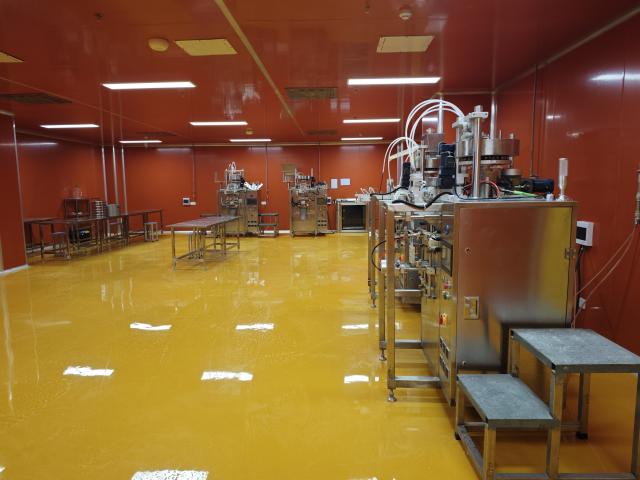
Before goods ship, the brand should hold a complete file for every batch: certificate of analysis, MSDS, finished-product specification sheets, production flow records and shipping documentation. Retailers, distributors and Amazon-style marketplaces increasingly request these before listing, and having them ready at sample stage is a signal of a mature manufacturer. Food-license credentials for the factory, HACCP controls and cGMP alignment under the 21 CFR Part 111 dietary supplement framework, plus ISO Class 8 clean workshop standards, belong in the audit file.
Common launch failures
The failures repeat across brands. Over-aggressive dosing creates regulatory and adverse-event exposure before the brand has scale. Claims drift into disease or therapeutic language that a retailer or customs reviewer rejects. Too many launch flavors scatter the MOQ and leave dead stock in three of eight SKUs. Incomplete cross-border documentation holds goods at import while shelf windows close. Under-specified active doses, chosen only for cost, generate weak repeat purchase because consumers feel nothing. Each of these failures is invisible in a taste test and fatal at scale, which is why an OEM that raises them during sampling is doing its job.
FAQ
What is the MOQ for a private-label pouch brand?
The standard entry point is 5,000 cans per flavor, low enough to test two or three SKUs and high enough to run on dedicated filling and labeling equipment with consistent quality.
How long do custom samples take?
Custom samples are typically delivered within five working days after the formulation brief, dose and flavor direction are confirmed, and they should be approved in writing before mass production.
How long does mass production take?
Once samples and packaging artwork are approved, bulk production generally takes three to five weeks, depending on packaging materials and label complexity.
What documents should the factory provide?
COA per batch, MSDS, product specification sheets, production flow and shipping documents, backed by the factory's food license, HACCP, cGMP-aligned quality system and clean workshop credentials.